
 Author

What We Base Our Tennis Predictions On
All relevant factors will be studied when making a decision on the outcome of any upcoming match or chosen market. This will include form, injury status, surface, player seeding and head-to-head victories. We will now look over each aspect in more detail to give you a full idea of how we make our tips.


Types of Tennis Predictions You will Find
 A good reason that makes tennis betting so popular is the amount of markets that can be found for both major and minor tournaments. You will find a large amount of ways to wager at the majority of online bookmakers, giving you plenty of opportunities to find value. We will cover these below in our predictions.
🎾 Match Winner Bets
The most common market to bet on in tennis is a match winner, it is the easiest one to understand as it is very simple. The bet entails who you believe will win the match. For example Carlos Alcaraz is playing Jannik Sinner. You back Carlos Alcaraz to win and if he does you win your bet.
📊 Set and Game Predictions (Over/Under)
You can bet on set and game markets which often provide more value than a match winner bet. You can bet on a few various ones with these types of bets and some are not tied to the match result. You can bet on over/under markets on how many sets will be played or how many games will take place. With these different forms of betting, you are wagering whether there will be over or under a specified amount played across the match.
You can also wager how many specific sets are played, Final Set Score, Final Game Score and there are also Race To markets.
⚖️ Handicap Bets
A smart way to bet can be when you include a handicap when you place a wager. Handicap bets include several variants that include Match Set Score Handicap and Total Games Handicap.
By placing a handicap on a favourite, or giving an underdog a pre-match advantage you can increase the odds on your expected result.
Lets look at that in practice using Carlos Alvarez vs Dan Evans as an example, let’s say we think Alvarez will win relatively easily. We can add a -4.5 Handicap Total Games bet. For this wager to be a winner, we will need Alvarez to win by 5 or more Games.
Our predictions will cover a range of tennis Handicap betting tips throughout the season for major and minor tournaments.
🏆 Long-Term Bets (Tournament Winner)
Outright tournament winner bets are widely placed and are often ones that bookmakers include promotions for especially during Grand Slams. With large sums placed on the biggest competitions, sportsbooks want to do everything they can to encourage you to spend your money there. You can use odds boosts and promotions to your advantage.
Tournament winner bets are simply a bet on which player you believe will win the contest.
You can also improve odds by betting early and the best tennis betting sites will offer odds long in advance of the tournament start.
🔥 Live Tennis Betting
Tennis lends itself well to in-play bets with a large number of markets available including next set winner and even next point! Live bets can sometimes help you cover pre-match bets or add excitement to a game you are watching or streaming live.
Our predictions will usually not cover in-play bets due to time restrictions on this type of wager.
Recommended Sites for Betting on Tennis
While almost every site will offer you betting on tennis as standard there are some that really stand out from the crowd. This is highlighted by their commitment and dedication to offering their users the best available experience when they are looking to spend some of their bankroll on tennis bets.
All the following sites are our favourites out of those that are active in Malaysia.
1xBet
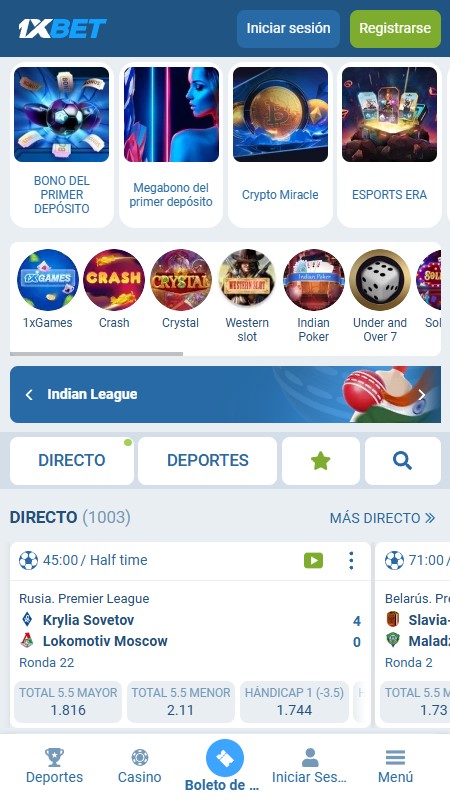
With highly competitive odds and a wealth of markets and tennis tournaments covered, this site is our highest ranked sportsbook for Malaysian Bettors.
Megapari

Covering all the major and minor events and offering a wide range of odds and markets that are also available in-play this is a great site for your tennis wagers.
IviBet

These guys have real-time updates, graphic displays and statistics in their live betting facility, with plenty of live streaming available as well for many matches.
22Bet

These cover Grand Slams as well as offering odds on ITF, UTR and ATT tournaments, and even Challenger events. The in-play betting includes real-time updates and 3D graphics. Live Streaming is an option on certain events.
Betwinner

We really like the Betwinner mobile app, and this is highly effective for use when betting on tennis meaning you can place bets quickly and securely wherever you are or whatever you are gdoing in Malaysia.